Pentagon Data Breach Exposes Personal Information of Millions of Current and Former U.S. Military Service Members

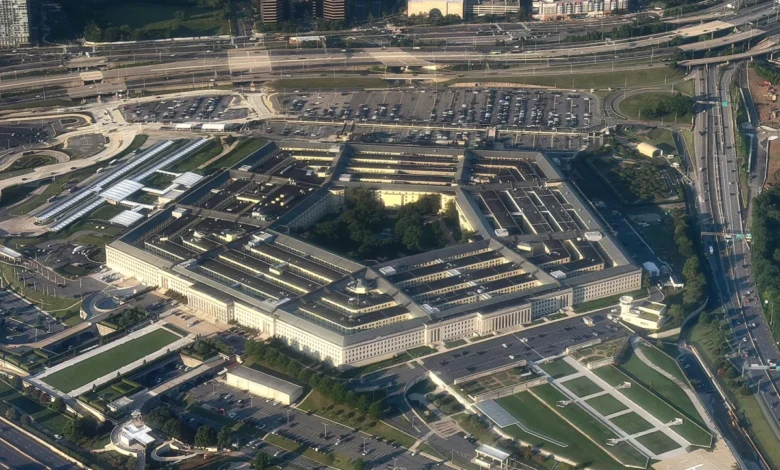
The United States government has begun notifying approximately 3.1 million current and former military service members, civilian employees, and deceased personnel that their highly sensitive personal data was compromised in a massive months-long security breach. The incident, which targeted the records-keeping infrastructure of the Department of Defense (DoD), represents one of the largest compromises of military personnel data in recent history and highlights persistent vulnerabilities in federal cybersecurity defenses.
According to official data breach notifications distributed by the Defense Manpower Data Center (DMDC)—and subsequently corroborated by internal military communications shared publicly online—unauthorized actors exploited a critical security flaw in an unspecified file-sharing system. This vulnerability remained undetected and actively exploited for nearly ten months, allowing external parties unfettered access to unencrypted personnel records.
Scope and Scale of the Compromise
The breach impacts a vast cross-section of the United States defense apparatus. Pentagon officials confirmed that the compromised database affects roughly 2.8 million living individuals and nearly 300,000 deceased persons. To put the scale into perspective, the active-duty component of the U.S. military stood at approximately 1.3 million personnel as of March, meaning the breach extends far beyond active ranks to sweep up veterans, military families, civilian contractors, and retired staff whose records are maintained by the defense agency.
The stolen data fields include deeply sensitive personally identifiable information (PII). Among the compromised records are full legal names, Social Security numbers, dates of birth, sex, race classifications, and comprehensive details concerning individuals’ military service histories. Because these foundational identity markers were stored in an unencrypted format within the file-sharing system, the unauthorized users extracted rich, granular dossiers on millions of Americans tied directly to the nation’s defense infrastructure.
The Role of the Defense Manpower Data Center
While the general public is rarely familiar with the DMDC, the organization functions as a foundational administrative backbone for the Department of Defense. Operating quietly behind the scenes, the DMDC maintains over 60 million active records encompassing military personnel, civilian employees, and their dependents.
The center’s core responsibilities include verifying eligibility for vital benefits, entitlements, healthcare access, and retirement pensions. Furthermore, the DMDC acts as the military’s principal identity management provider. It is tasked with linking active-duty members, civilian workers, and private defense contractors to credentials—such as smart cards, cryptographic tokens, and network passwords—required to physically access secure Pentagon facilities, military bases, and classified computer networks.
The agency’s stated mission emphasizes that identity security is paramount to national defense, noting on its public portal that its primary objective is ensuring authorized personnel gain entry while keeping malicious actors out. The irony of a foundational identity management provider falling victim to a prolonged unauthorized data extraction has not been lost on cybersecurity experts and lawmakers tracking the incident.
Chronology of the Breach
The timeline released by defense authorities outlines a prolonged security failure spanning the better part of a year:
- October 2025: Unauthorized actors begin exploiting a security vulnerability within an internal DoD file-sharing system, quietly siphoning unencrypted personnel records without triggering immediate security alarms.
- Mid-July 2026: The exploitation activity finally ceases, though the intrusion remains undetected by internal monitoring systems for weeks following the closure of the vector.
- Late September 2026: Formal notifications begin circulating among affected individuals via official DMDC data breach letters, while investigative reports from outlets like CNN and Federal News Network bring the scope of the incident to public attention.
- Fall 2026: The Department of Defense begins issuing formal advisories, offering credit monitoring guidance and outlining protective steps for millions of current and former service members.
Official Responses and Lack of Attribution
In the wake of the disclosures, the Department of Defense has maintained a measured posture regarding the motivations and identities of the perpetrators. Pentagon spokespeople stated that investigators have found no immediate indication that the stolen data has been actively misused, leaked, or monetized on cybercrime forums. However, defense officials have declined to clarify the methodology or evidence used to reach this conclusion.
Inquiries directed to Pentagon public affairs regarding whether the hackers attempted extortion, left ransom notes, or communicated directly with defense IT administrators went unanswered. As of late September 2026, no known hacking collective or foreign state-sponsored cyber espionage group has publicly claimed responsibility for the DMDC breach.
A Growing Trend of Federal Cyber Incidents
The Pentagon security failure does not occur in a vacuum; rather, it forms part of an alarming escalation of high-profile cyber intrusions targeting federal workers and national security agencies.
Earlier in September 2026, the Federal Bureau of Investigation (FBI) declared a severe cybersecurity incident after a notorious hacking collective known as ShinyHunters successfully stole the personal data of a vast majority of the bureau’s agents, administrative staffers, and employment applicants. The hackers asserted that they possessed comprehensive dossiers on personnel across the FBI, raising immediate alarms among national security analysts. Although the ShinyHunters group later stated they had no intention of making the stolen FBI records publicly accessible, the operational risks remained acute.
Security analysts have widely characterized these incidents as compounding national security emergencies. The primary danger posed by the theft of federal personnel records is not merely traditional identity theft or financial fraud, but rather targeted foreign intelligence operations. Hostile foreign governments routinely scour stolen personnel databases to map the professional and personal networks of American intelligence, law enforcement, and military personnel. Such comprehensive profiles can be leveraged to identify vulnerabilities, conduct micro-targeted phishing campaigns, or coerce vulnerable individuals into espionage.
Historical Precedents and Long-Term Implications
The 2026 defense and intelligence breaches inevitably draw comparisons to one of the most damaging cyber incidents in American history: the 2015 Office of Personnel Management (OPM) hack. In that landmark breach, attributed by U.S. intelligence officials to Chinese state-sponsored actors, the background investigation and personnel records of more than 22 million current and former federal employees—many holding high-level security clearances—were compromised.
The OPM breach fundamentally altered how the U.S. government viewed civilian and military personnel data as a high-value intelligence target. It prompted sweeping upgrades to federal network security, multi-factor authentication mandates, and stricter encryption standards. However, the recurring nature of these compromises—highlighted by the simultaneous vulnerability of both the FBI and the DMDC—demonstrates that legacy systems, third-party file-sharing tools, and massive centralized databases remain prime targets for sophisticated threat actors.
For the 3.1 million service members and veterans caught up in the latest Pentagon breach, the immediate aftermath involves navigating administrative notifications, setting up credit freezes, and remaining vigilant against targeted social engineering scams. For the broader defense establishment, the incident serves as a stark reminder that safeguarding the digital identities of those who wear the uniform is an ongoing, high-stakes battleground in modern national security.
Related posts: